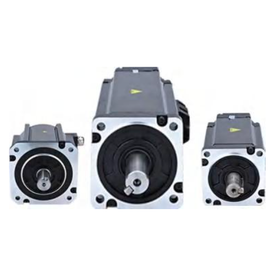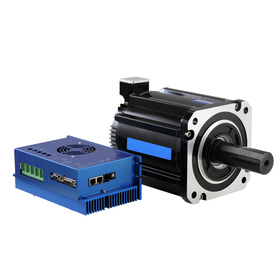
Measures to prevent voltage drop in lead-acid batteries: positioning servo motor
Explaining the differences in discharge voltage characteristics between lead and lithium. AC servo motors that can be considered for AGVs and robotic arms where stopping precision is required.
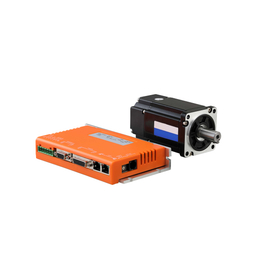
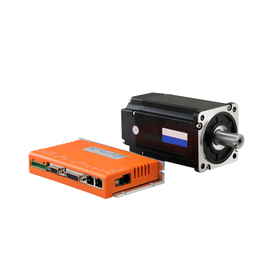
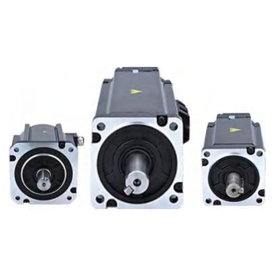
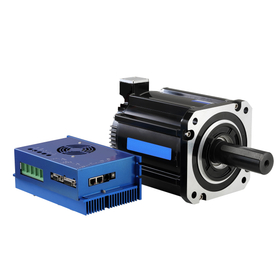
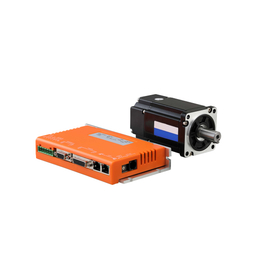
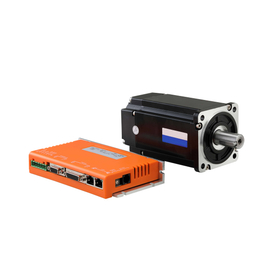
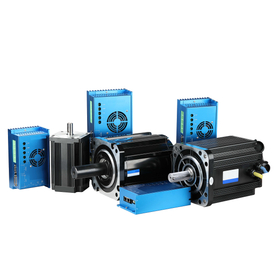
When considering the power source for AGVs (automated guided vehicles), the "voltage drop characteristics during discharge" is an important factor directly related to driving performance. Lead-acid batteries have the characteristic of gradually decreasing voltage as discharge progresses and battery capacity decreases. As a result, in the latter half of operation, the voltage supplied to the motor drops, leading to a decrease in the AGV's driving speed and torque. On the other hand, lithium-ion batteries have a "constant voltage characteristic," maintaining a flat voltage until the end of discharge, allowing for stable driving performance right up until the battery is depleted. The "AC servo motor (CMS series)" that we handle leverages the stable voltage supply of these lithium batteries, making it a motor that can be considered for the drive axis of unmanned transport equipment, which requires millimeter-level stopping accuracy at stations and precise trajectory control of multi-joint arms.
- Company:CLUW Inc.
- Price:Other